
Understanding VPN and Internet Access Circumvention: A Network Access Technology Guide for Vancouver Businesses
As a local business owner in Vancouver, have you ever encountered this frustration: wanting to access domestic streaming platforms like iQiyi or Tencent Video to watch the latest content, only to be greeted with "This content is only available in mainland China"? Or perhaps you've tried to use domestic music platforms, only to find most songs displaying "Due to copyright restrictions, this song is not available in your current region"? These geographical restrictions not only affect our daily entertainment but also increase communication costs and business complexity for merchants who need to maintain close contact with domestic clients.
Conversely, if your business requires frequent use of international platforms like Google Search, YouTube marketing, or Facebook advertising, and you happen to be in a region with strict internet restrictions, you'll face similar access barriers. This bidirectional geographical internet restriction has become a common phenomenon in today's globalized business environment. Many Vancouver small and medium business owners, particularly those serving the Chinese community or conducting business with the Asia-Pacific region, are seeking legal, secure, and effective solutions. This article will provide a detailed technical analysis of how VPN works and the characteristics of various internet access methods, helping you better understand these technological tools while alerting you to relevant legal risks and security considerations.
What is VPN and How Does It Work
Virtual Private Network, or VPN, was originally designed as a secure communication tool for enterprises. Think of how the postal system works: when you send a regular letter, the mail carrier can see the recipient's address on the envelope. A VPN is like adding an opaque protective cover to your letter—outsiders can only see the address on the cover (the VPN server address) but cannot see the actual destination inside.
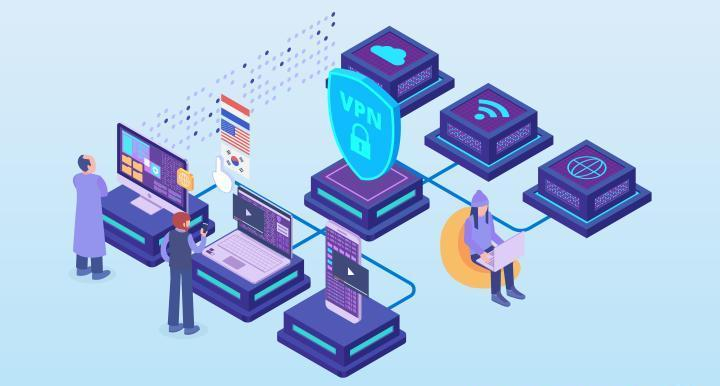
VPN operation can be broken down into several key steps. First, when your device connects to a VPN service, it establishes an encrypted tunnel with the VPN server. All your network requests are first sent to this server, which then accesses the target websites on your behalf. To the target website, the access request appears to come from the VPN server's IP address, not your actual IP address. This way, if the VPN server is located in mainland China, domestic video websites will recognize the access as coming from within the country, allowing you to view geographically restricted content.
This process involves multiple layers of encryption technology. Your data is encrypted before leaving your device, remains encrypted throughout the transmission process, and is only decrypted when it reaches the VPN server for forwarding. This encryption not only bypasses geographical restrictions but also protects your data from being intercepted by internet service providers or potential cyber attackers. For business owners handling sensitive commercial information, this additional security layer is extremely valuable.
Diverse Options for Internet Circumvention Technology
While VPN is the most widely known method of bypassing internet restrictions, there are actually several other technical approaches that can achieve similar results. Proxy servers are another common choice, working similarly to VPN but typically targeting only specific applications or browsers rather than the entire device's network connection. The advantage of this approach is relatively simple setup and less impact on network speed, but security is usually not as comprehensive as VPN.
More advanced solutions include dedicated line services such as IPLC (International Private Leased Circuit) and IEPL (International Ethernet Private Line) services. These dedicated line technologies provide stable, high-speed cross-border network connections by leasing international private circuits from telecommunications operators. Unlike traditional VPN services, dedicated line services typically offer better stability and lower latency, making them particularly suitable for commercial applications with high network quality requirements. Many multinational corporations use these types of dedicated lines to ensure the reliability and security of their internal communications.
For temporary needs, there's a relatively simple solution: using mobile roaming data from outside mainland China. When your phone uses roaming data, network traffic is actually routed through your domestic carrier, allowing normal access to domestic network services without geographical restrictions. While this method is more costly, it's a convenient option for business travelers on short-term trips.
Legal Risks and Security Considerations
When discussing these technical methods, we must seriously address an important issue: legal compliance. Different countries and regions have significantly different legal regulations regarding VPN and internet circumvention technologies. In some jurisdictions, using unauthorized VPN services may violate local laws and regulations, potentially resulting in fines or even more serious legal consequences. As responsible business owners, before considering any network technology tools, you should carefully understand and comply with relevant local legal requirements.
Besides legal risks, security risks are equally important. The market is flooded with free or low-cost VPN services whose security cannot be guaranteed. Some unscrupulous VPN providers may log users' browsing history, steal personal information, or even install malware on users' devices. For business owners, these risks are particularly serious, as commercial data breaches could lead to customer information theft and trade secret compromise, resulting in irreparable financial losses and reputation damage.
Even when choosing reputable VPN or dedicated line services, users still need to follow basic network security principles. Avoid accessing malicious websites, downloading suspicious files, or engaging in other activities that might compromise network security while using these services. Additionally, regularly updating device operating systems and security software, using strong passwords and two-factor authentication are all important measures for protecting network security.
Practical Application Scenarios for Vancouver Businesses
For Vancouver business professionals, internet access restrictions can sometimes create practical business challenges. For example, many large domestic companies' IT departments may block foreign IP addresses from accessing company intranets, or you may be unable to use certain apps that must be used locally (such as certain recruitment websites). For those traveling abroad or frequently needing to use geographically restricted services, learning to bypass restrictions (often jokingly called "scientific internet access") can provide certain competitive advantages for businesses.
However, these needs must be met within legal and compliant frameworks. Many enterprise-level network solution providers can offer services that comply with local legal requirements. These professional services typically include detailed compliance guidance, security safeguards, and technical support services. While costs may be higher than personal VPN services, for businesses with legitimate commercial needs, this investment is worthwhile.
Additionally, businesses can consider meeting cross-border information needs through legitimate commercial channels. For example, through official trade information platforms, industry association websites, or directly establishing formal communication channels with overseas partners. While these methods may not be as convenient as directly accessing certain websites, they ensure the legality and sustainability of business activities.
Trade-off Considerations in Technology Selection
When choosing specific technical solutions, businesses need to comprehensively consider multiple factors. Cost is an important consideration: free VPN services typically pose security risks and legal concerns, while professional enterprise-level services, though more expensive, provide better security guarantees and technical support. Speed and stability are also key factors, especially for businesses needing video conferencing, large file transfers, and other applications where network quality directly affects work efficiency.
Ease of use is equally important. Many small and medium business owners don't have deep technical backgrounds, so choosing solutions that are simple to operate and easy to configure is more practical. At the same time, the quality of after-sales service and technical support is crucial, particularly when network issues arise—timely technical support can minimize the impact of business interruptions.
For most Vancouver small and medium business owners, outsourcing network technology needs to professional IT service providers may be the wisest choice. Professional IT service companies like 5U® can not only provide technical consulting and implementation services but also help businesses assess legal risks and develop compliance strategies, ensuring technical solutions meet both business needs and legal requirements.
Action Recommendations and Summary
Based on the above analysis, we provide the following specific recommendations for Vancouver businesses. First, before considering any internet access technology, please consult legal professionals to understand relevant laws and compliance requirements. Don't take unnecessary legal risks for temporary convenience. Second, if you have legitimate business needs, prioritize choosing enterprise-level service providers with good reputations rather than free or low-cost personal services.
Remember that technology tools are means, not ends. In a globalized business environment, cross-border information exchange is indeed important, but what's more important is meeting these needs in legal, secure, and sustainable ways. By choosing appropriate technical solutions and professional service providers, Vancouver businesses can fully enjoy the convenience and commercial value brought by modern network technology while complying with laws and regulations. If you have any questions or needs regarding network solutions, please contact the 5U® service team—we will provide you with professional, secure, and compliant technical consulting and implementation services.